Pet apparel · GUIDE
How to Choose a Dog Coat Style: Coverage, Fit and Buying Questions
Choose a dog coat by starting with its intended use and the body areas it covers, then check the fastening, freedom of movement and the size chart for that exact style. A hooded rain shell, sleeveless vest and pullover do different jobs; a familiar size name or a style photograph does not establish the fit or performance of every garment.
For brands and retailers, compare these choices against the customers and size range you want to serve. The Mew & Paw apparel catalog shows rainwear, fleece-style vests, hoodies and other styles; materials, availability and specifications should be confirmed per item.
In this guide
Start with the situation, then choose coverage
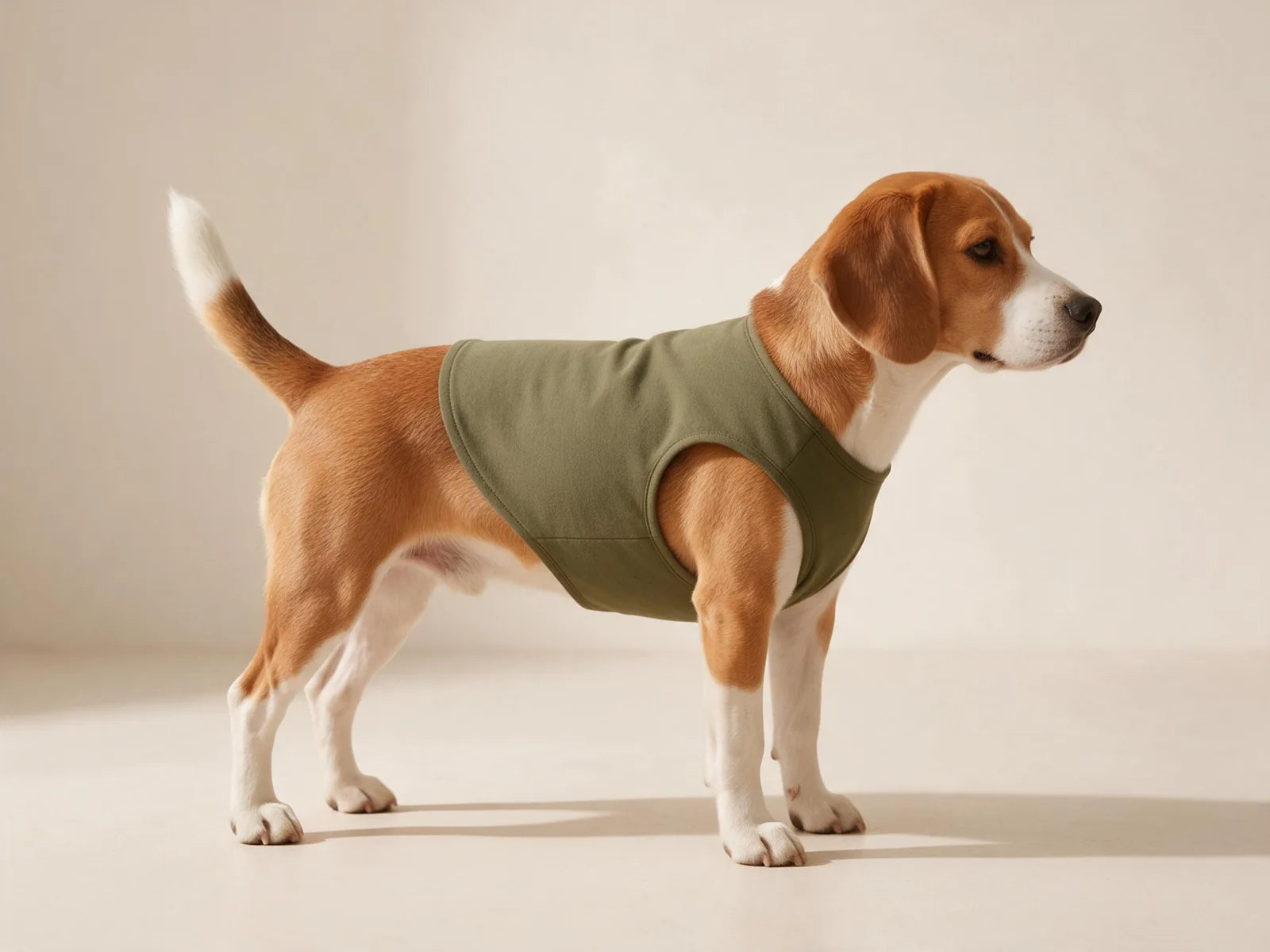
Describe the intended activity and what the buyer wants the garment to cover. A back-covering cape may be simpler to put on than a garment with leg openings; a vest may cover more of the chest, depending on its cut. A pullover passes over the head, while a fastening style may open along the body. These are ways to compare designs, not claims that one pattern fits every animal.
For a range of body shapes, examine back length, chest coverage, the position of the underside opening and space around the shoulders. Ask for photos or a sample of the selected style from more than one angle. Consider whether a harness or leash needs access, and whether any hood or accessory can be kept clear of the dog’s face and movement.
Compare rainwear, vests and pullovers
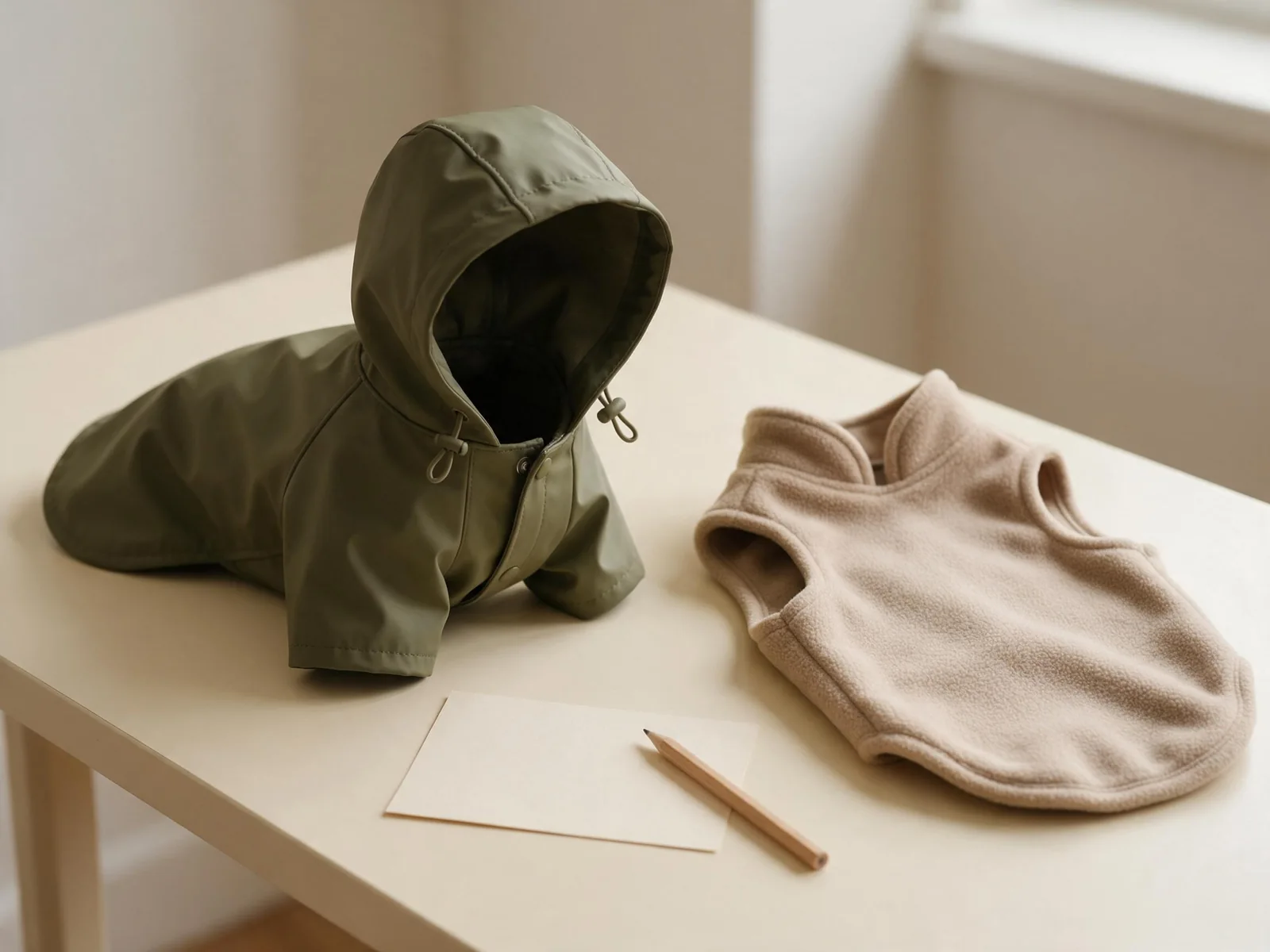
Rainwear: Start with coverage and the evidence behind any water-protection claim. A hood, a smooth surface or a product name does not prove a water-resistance rating. Read our raincoat evidence guide for the questions to ask.
Sleeveless vest: Review the neck, chest and arm openings and how the vest is put on. A fleece-style appearance is not a confirmed fiber composition or a guarantee of warmth. Ask for the material and care details of the exact garment.
Pullover or hoodie: Check the opening, sleeve placement and back length, and consider the dog’s tolerance for clothing put over the head. Ask whether any hood is decorative or intended for use and how the garment accommodates a harness.
Padded coat: Review the garment’s construction and fit separately from its appearance. Ask for the actual materials and intended use. A puffy photograph alone cannot establish a temperature range or a protection claim.
These categories are comparison tools; not every feature or customization is available on every Mew & Paw style.
Browse dog jackets and rainwear to compare available references and ask about their specific details.
Use the specific size chart
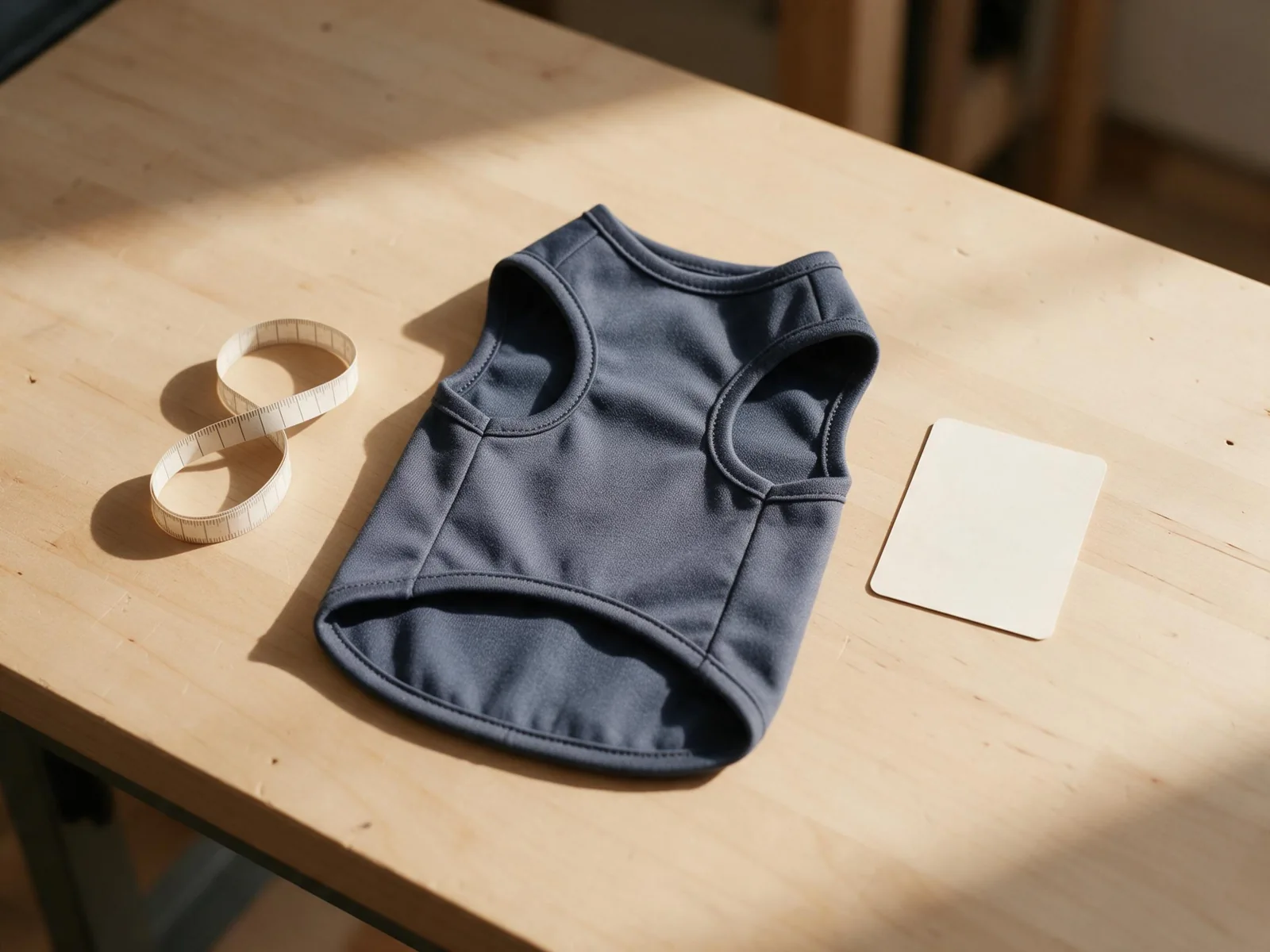
Measure the dog first and compare the results with the selected garment’s own instructions. Chest circumference, back length and neck circumference are useful starting points, but check the supplier’s measurement method and whether the chart describes the animal or the garment. The American Kennel Club’s gear measurement guidance covers these dimensions. Our measurement guide explains how to record them.
If a dog falls between sizes, ask the supplier about the specific style and which measurement should take priority. A breed name, weight estimate or a size from a different brand is not a substitute for that conversation. For a product assortment, identify where a size range leaves gaps rather than assuming every build is covered.
Check dressing, movement and care
Before ordering, identify how the coat opens, how it fastens and which parts the dog needs to step through. Check whether straps and edges stay clear of the legs and whether the dog can walk, sit and turn without obvious restriction. Introduce clothing gradually and stop if the animal shows discomfort; ask a veterinarian for advice about an individual dog’s health or tolerance.
Request care instructions for the exact fabric and any fasteners. Ask whether a sample is available and what it represents. For a retail collection, record the requested size range, intended label information and packaging separately from garment changes. Our customization brief helps organize those questions.
Build a practical buyer comparison
For each shortlisted style, note the item reference, closure, covered areas, available size information, fabric composition and care instructions. Record known facts separately from questions awaiting confirmation. If the range will include rainwear and soft everyday layers, compare their functions and evidence separately rather than promising that one garment solves every weather problem.
Ask for front, side and underside views, and discuss any desired label, packaging or garment change individually. Quantities, materials, samples and production timing depend on the selected project and must be confirmed with the supplier. You can discuss your collection with Mew & Paw after choosing the starting styles.
Frequently asked questions
Which dog coat style is easiest to put on?
It depends on the individual dog and the fastening. Compare an opening vest or cape with a pullover, and check whether the animal is comfortable with the required steps.
Can I choose a size from the breed alone?
Use the selected style’s measurements instead. Dogs of the same breed can have different proportions, and size charts differ among products.
Does a thicker-looking coat guarantee warmth?
No. Appearance alone does not establish insulation or suitability for a specific temperature. Request the exact construction and use information.
Compare opening designs in our dog jacket closures guide.