Pet apparel · GUIDE
How to Prepare a Dog Clothing Tech Pack for a Supplier
A dog clothing tech pack is a working set of drawings, measurements and construction notes that tells a supplier what you want to develop. Start with one style, name the file and version, then show the garment from more than one view. Add a measurement table, material and trim details, artwork placement and any questions that still need a decision. A clear first version can be incomplete: identify its open items rather than presenting guesses as approved specifications.
This guide is for buyers preparing a first sample or refining an existing style. If you are still collecting the basics for an inquiry, start with our pet apparel customization brief.
In this guide
1. Give the style a clear identity
Put the style name, internal reference, date and revision number on the first page. Describe its intended use, target customer and proposed size range. Name the contact responsible for decisions. Note whether the document describes a new design, a modification to a supplied sample, or an existing style being discussed with a supplier.
Keep one source of truth. When you send an update, identify the version it replaces and summarize the changes. A photo of a sample can be useful context, but it does not by itself explain hidden construction or dimensions.
2. Draw the garment from useful angles
Use simple front, back and underside views where they help explain the design. Add close-ups for a fastening, opening or unusual seam. Label each panel and draw a line from the note to the exact feature; distinguish a design intention from an approved detail.
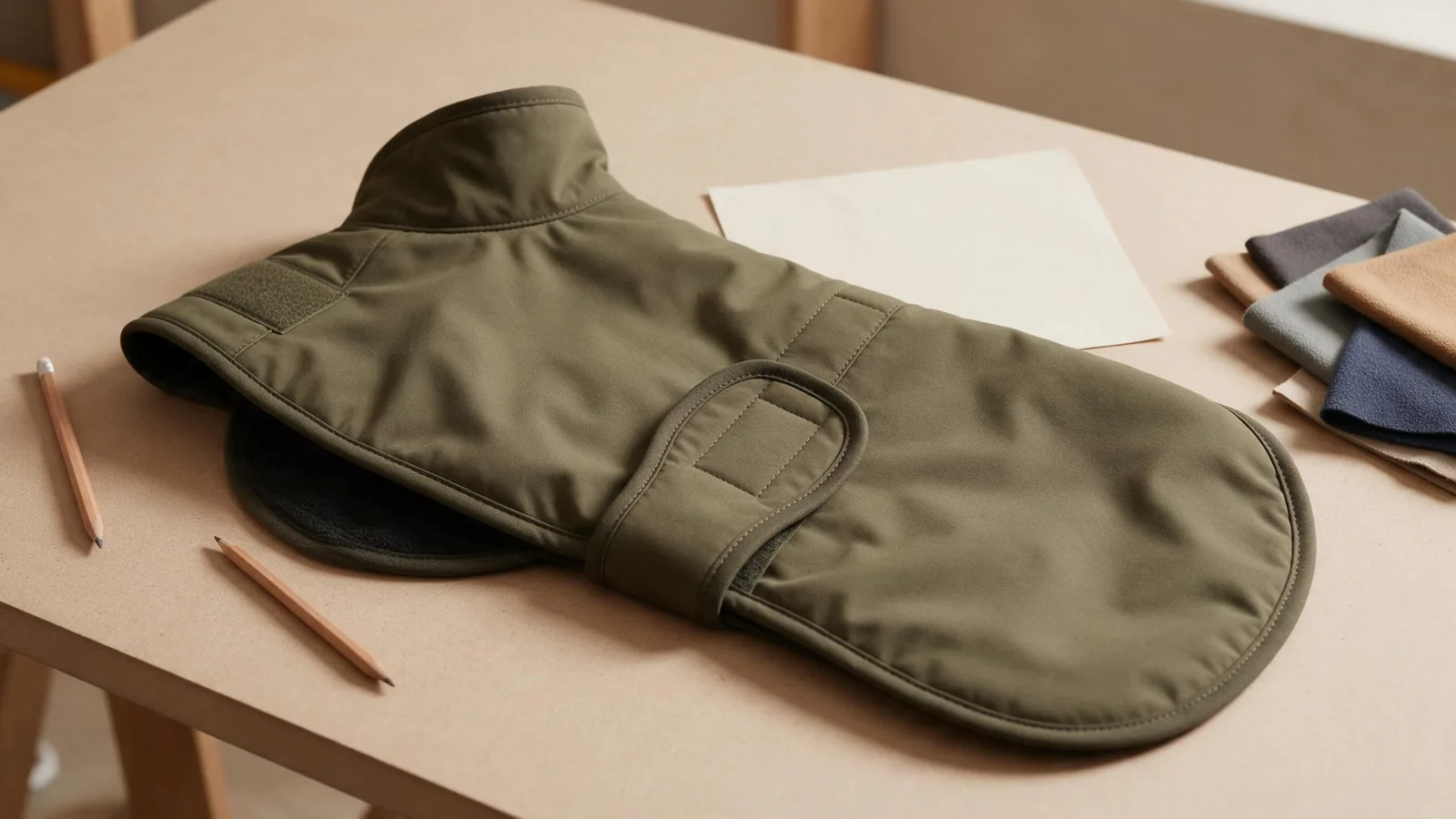
For example, a coat sketch can identify the neckline, front-leg openings, underside panel, fastening and any intended harness opening. Indicate how it opens and closes. A mood-board image can communicate a look, but a flat drawing makes it easier to discuss placement and construction.
3. Separate body measurements from garment measurements
Use two clearly labelled tables: the intended dog's body measurements and the finished garment's measurement points. State the unit, where each measurement starts and ends, whether the garment is laid flat or fastened, and which sample size the values describe. If you provide flat-width measurements, say so; do not quietly label a flat width as a full circumference.
- Target body: Neck, chest and back length for the intended wearer; explain how each is measured.
- Garment: Named measurement points, method, units and proposed values for each size.
- Tolerance: A proposed allowable variation for each relevant point, to agree with the supplier.
- Status: Proposed, measured on sample, revised or approved; include the document version.
Do not copy a size label from another brand and assume it describes the same body. The relationship between body and garment measurements depends on the design and fabric, and must be evaluated on a sample. See how to read a pet apparel size chart and how to measure a dog for clothes.
4. Specify materials, trims and construction
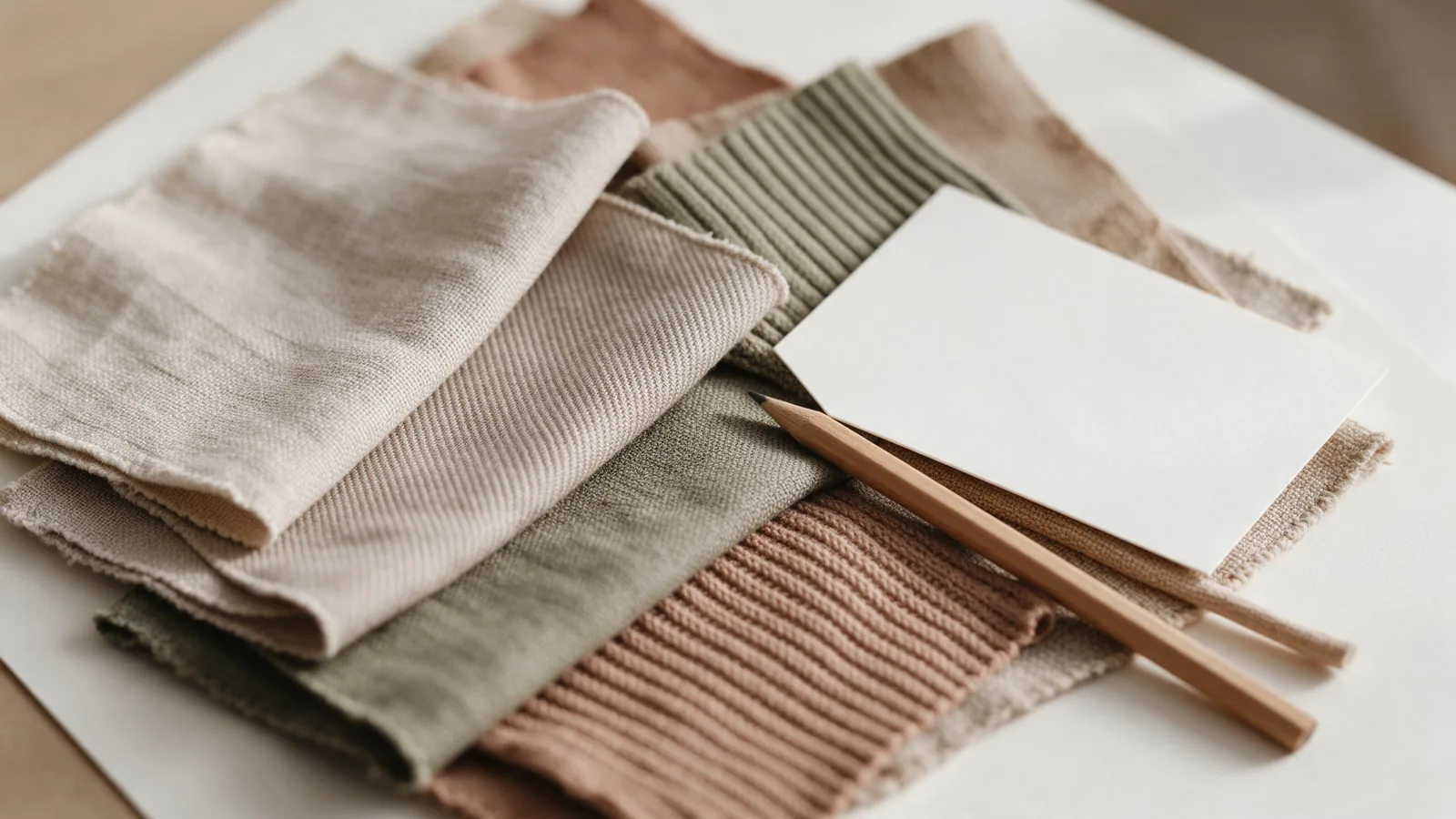
List each component separately: outer fabric, lining if applicable, fasteners, binding, labels and decoration. For each, enter the available reference, color, intended position and any performance requirement that matters to the project. Mark unknown composition, weight, finish or sourcing as a question for discussion. A supplier's availability and final specifications need confirmation.
Show which edges are bound, folded or otherwise finished and explain any stitching detail that affects appearance or function. If rain protection matters, specify what evidence or test method you want to discuss; a fabric name alone does not establish the performance of a finished coat. Our guide to waterproof and water-resistant dog raincoats explains the distinction.
5. Place artwork and labels precisely
Identify the artwork file and version, intended method, dimensions and position relative to a fixed seam or edge. State whether placement changes by garment size. Provide color references where available and ask to review the result on a sample. Note the label position and the text or artwork you intend to supply; confirm any market-specific labeling obligations separately.
A small sketch with a callout is often more useful than the instruction “put the logo on the back.” See the pet apparel decoration guide for questions to consider when comparing methods.
6. Record sample feedback in the same document
When a sample arrives, identify it by style, size, date and tech pack version. Record what was observed, where it was observed and the requested change. Keep photos linked to their specific comments. Distinguish a measurement correction from a visual preference, and ask which changes affect other sizes or components.
For fit, check the relevant features with the intended wearer and stop if the dog shows discomfort. The RSPCA advises that a dog coat should fit comfortably and allow normal behavior, including going to the toilet. A drawing or document cannot establish fit by itself. For a fuller review, use our sample review checklist.
7. Send a practical first handoff
Before sending your pack, check that the recipient can find:
- The style name, revision and contact for decisions.
- Clear front, back and relevant detail views.
- Separate body and garment measurement tables, units and measuring methods.
- Fabric, trim and finish references, with unknowns flagged.
- Artwork files, sizes and placement references.
- Intended sample size, review questions and a record of changes.
You do not need to invent a number for every empty field. Ask the supplier which missing decisions are essential for the next step, then update the same versioned document when those decisions are agreed.
Frequently asked questions
Is a tech pack the same as a sewing pattern?
No. A pattern defines the shapes used to cut garment pieces; a tech pack communicates the intended product details and specifications. A project may need both, and their ownership and delivery should be discussed with the supplier.
Do I need a finished tech pack before making an inquiry?
Not necessarily. A concise brief with a sketch, reference images and intended use can start a discussion. Treat missing measurements, sourcing and construction details as open decisions rather than settled facts.
How should I handle different sizes?
Identify a reference size and document the measurement points and proposed range. Discuss how the other sizes will be developed and checked; do not assume every dimension should change by the same amount.
Ready to discuss your idea? Explore custom pet apparel and share the information you have. Product details and project terms are confirmed during inquiry.