Pet apparel · GUIDE
Dog Clothing Size Grading: A Buyer's Guide
Dog clothing size grading is the process of developing different sizes from a garment design. For dog apparel sizing, first agree on the target dog measurements and base sample. Then agree on how garment measurements change across the range. A dog clothing size chart and label alone do not explain fit.
A jacket that fits one dog does not automatically fit every dog in the next size. Review smaller and larger samples as complete garments. Document the fit and requested changes with the supplier. Final sizes and development options depend on the project.
In this guide
Start with the dogs and the intended fit
Describe the dog body shapes your collection is intended to serve. A short-backed, broad-chested dog and a long-backed, narrow dog may need different proportions even if one measurement is similar. Avoid relying on breed name or weight alone to describe the intended fit.
The American Kennel Club's measuring guide lists chest girth, neck girth and back length as common dog clothing measurements. It also notes that sizing can differ between products. Use those measurements as a starting point, then decide what other points the specific style needs.
Our dog clothing measurement guide explains how to take the measurements. For a buying brief, record the method, units and intended body range. Say whether the design should fit close to the body or leave room for another layer.
Agree on a base sample before discussing grades
Choose a reference size and identify the exact sample version that represents the intended design. Note its fabric, fastening and construction, as well as the size label. When reviewing it, look at coverage, neck, chest, front-leg openings and the underside together.
A base sample is a reference for discussion, not proof that every other size will fit. Ask which points the supplier proposes to change between sizes and how those changes relate to the target dog measurements. Do not assume that multiplying every dimension by one percentage will preserve the same proportions.
Separate body measurements from garment measurements
A body measurement describes the dog. A finished-garment measurement describes the clothing measured using an agreed method. The difference between them can reflect the intended fit and construction; it is not a universal amount to add to every style.
For each point on the specification, agree on where the measurement begins and ends, whether the garment is laid flat or closed, and how the value is recorded. Label circumference and flat width separately. State whether the number is a target, a measured sample result or a range to be confirmed.
The dog clothing tech pack guide can help organize points of measurement and version history. If a chart does not say what it measures, ask before comparing it with a dog's body measurements.
Review the changes from size to size
A grade table records how relevant garment points change across the proposed size range. The Out-n-out size guide describes grading as creating different clothing sizes and explains that its own coat design accounts for customer body types. Its approach is an example, not a rule for every supplier.
Ask to review the measurement points that matter to this style: back coverage, chest and neck, opening positions, fastening overlap and the underside. Record the proposed increments and any exceptions in the supplier's specification. There is no single grade increment in this guide because the right values depend on the design and target range.
If a size is intended for a substantially different body proportion, discuss whether a separate fit or pattern needs consideration. Confirm what the supplier can actually develop before presenting an option to customers.
Check more than the middle size
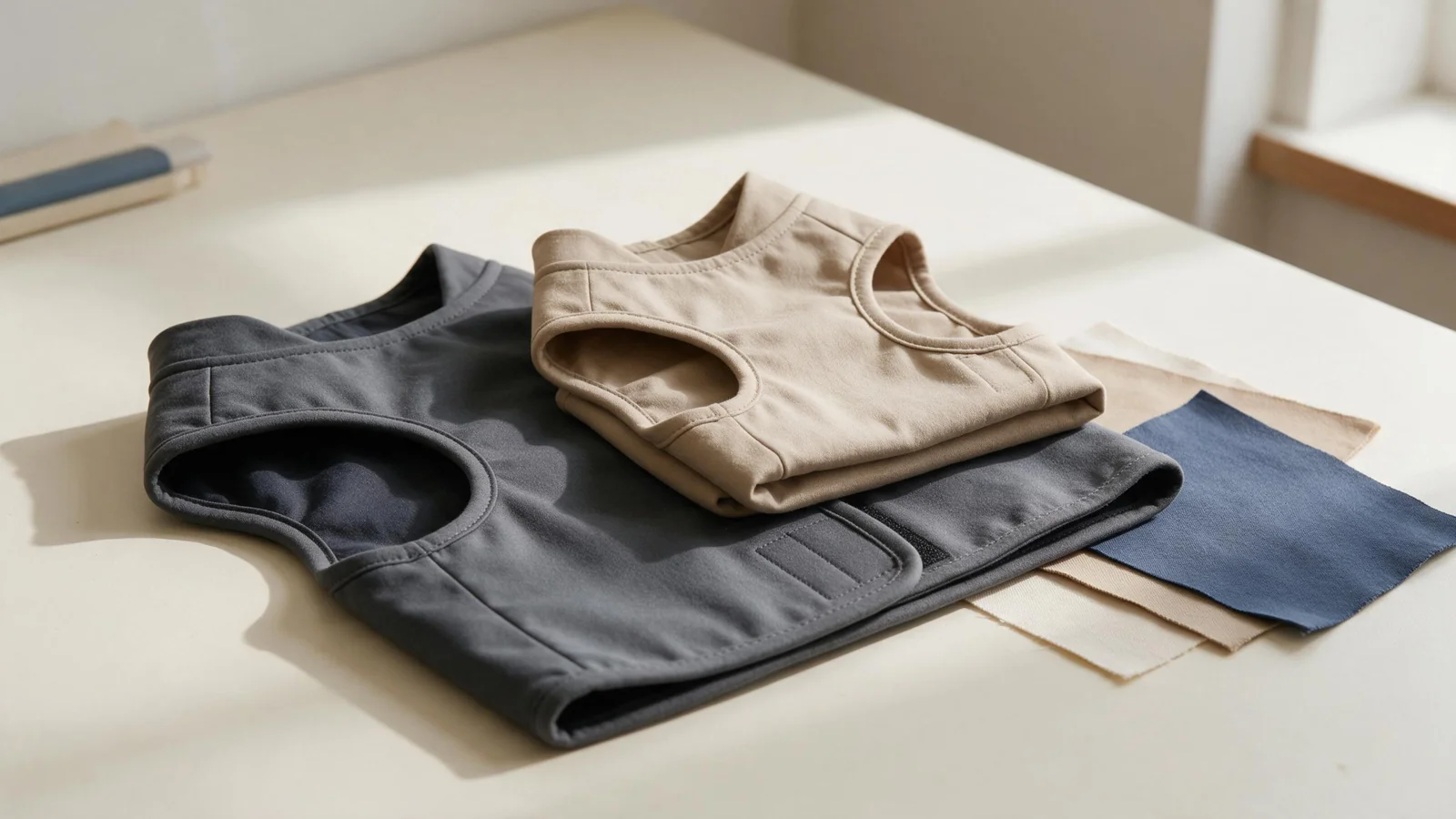
Ask which sizes can be sampled and agree on a review plan for the range. Depending on the project, buyers may want to compare the reference size with smaller and larger samples. Record which sizes were actually reviewed; do not describe the whole range as tested if only one sample was assessed.
Measure each sample using the same agreed points. Compare the results with the specification and note any differences for discussion. Then, when appropriate and with the dog's comfort in mind, observe how the complete garment sits during calm, supervised movement. Stop if the dog is uncomfortable and remove the garment.
Check whether panels shift, openings rub or a closure becomes difficult to use. If a dog shows skin irritation or persistent discomfort, remove the clothing and ask a veterinarian for advice. The fit-check guide explains how to record contact points without assuming a diagnosis.
Give the supplier usable feedback
Keep one record per size and sample version. Include the style reference, date, dog body measurements where available, garment measurements and the conditions of the review. Describe what you saw rather than writing only “too small.”
Ask the supplier to confirm:
- The base sample and revision used for grading.
- The definition, unit and method for each measurement point.
- Proposed measurements and changes between sizes.
- Which sizes can be sampled and how differences will be reviewed.
- Any requested adjustments and who will approve the next version.
- The agreed tolerances and final specifications for the project.
Use the sample review checklist to collect feedback, or discuss your collection through custom pet apparel. Confirm availability and project details individually.
Frequently asked questions
What is dog clothing size grading?
It is the development of different sizes from a clothing design. A buyer should ask how the measurements and construction change across the range and what the supplier will review.
Can every size use the same increment?
Do not assume so. The target dog proportions, measurement point and garment design matter. Agree on the proposed grade rules for the specific style and review the resulting samples.
Is a size chart enough to confirm fit?
A chart helps communicate measurements, but it does not replace checking the complete garment. Clarify whether it describes the dog or the clothing, then review samples and fit for the intended use.