Pet apparel · GUIDE
Layering Dog Clothes: Fit and Weather Considerations
Layering is optional; use only the protection the individual dog needs and monitor comfort. Plan dog clothing layers around actual weather, comfort, movement and supervised use.
In this guide
Decide whether a layer is needed
Begin with the dog and the conditions. Some dogs may benefit from a suitable coat in cold or wet weather, while others may not need clothing. There is no universal temperature that makes two layers necessary.
A thin layer, an outer shell and a padded coat serve different purposes. Ask what a particular garment is made to do, and do not infer waterproofing or warmth ratings from its appearance.
Check the combined fit
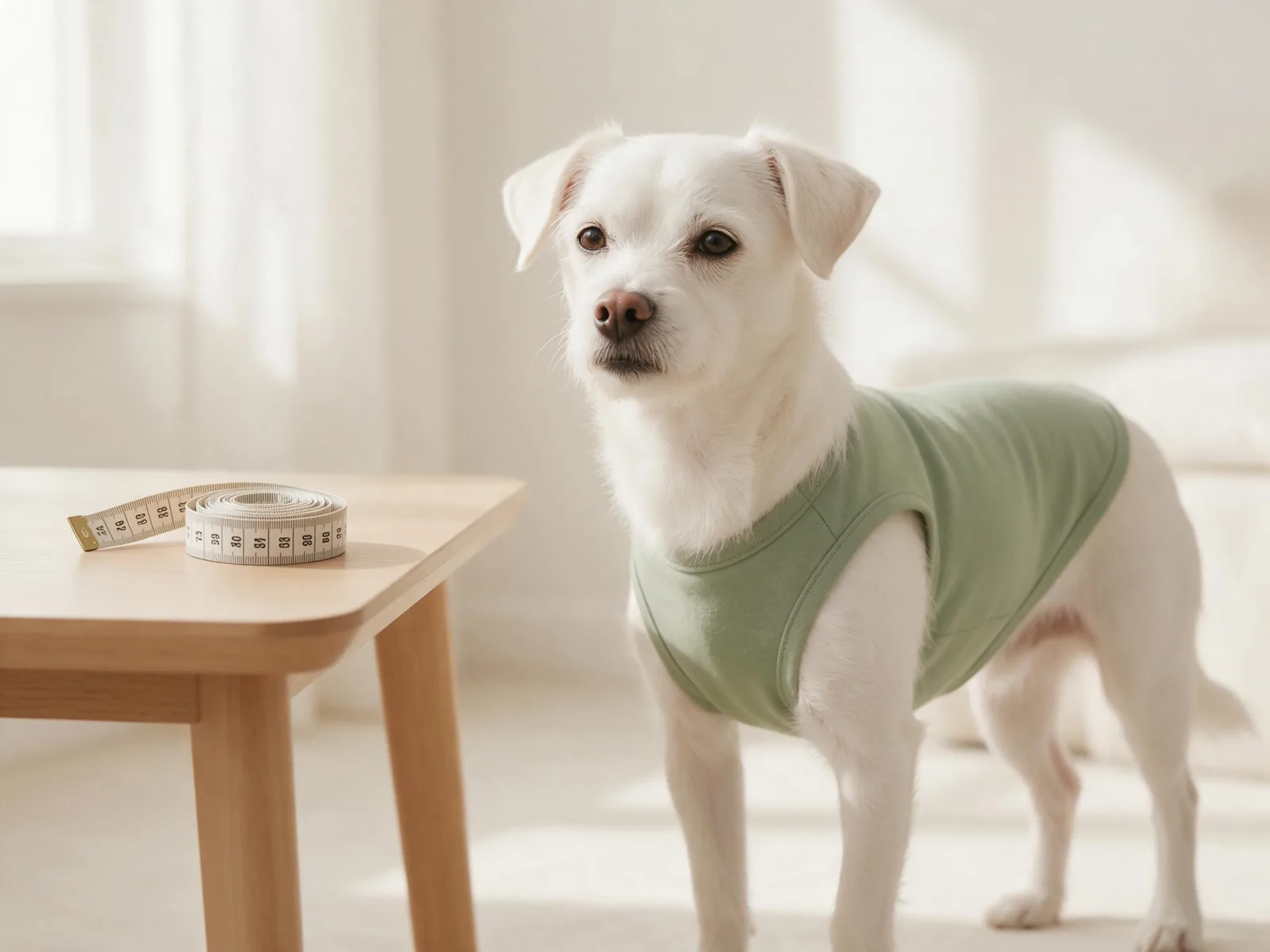
When an owner and veterinarian consider more than one layer appropriate, assess both garments together. Check chest, neck and leg openings, closures and harness access; a size that fits alone may feel restrictive over another item.
The dog should be able to move, breathe and toilet normally. Avoid a hood or accessory that obscures vision or hearing, and remove a garment that rubs, catches or causes distress.
Reassess through the outing
Watch for discomfort when activity, weather or indoor temperature changes. A wet layer may need to be removed and the dog dried according to the owner's normal care routine.
Excessive panting, weakness or breathing difficulty can be signs of overheating or heatstroke. Move the dog to a cool place or shade, remove extra clothing and gently pour cold tap water over the body immediately, keeping water away from the nose and mouth; do not cover the dog with a wet towel. Call a veterinarian at once, head to the nearest clinic and continue cooling during the journey when possible, following PDSA's first-aid guidance.
Supervise the dog while dressed and remove clothing before leaving the dog unattended or in a crate, where garments can snag. Introduce a garment gradually and stop if it causes distress.
A practical checklist
Use these steps to prepare a specific decision.
- Identify the weather, the individual dog's needs and whether clothing is necessary at all.
- Use each garment's measurements, then check the combined fit rather than relying on size labels.
- Inspect harness access and closures without covering the dog's eyes, ears or airway.
- Observe movement and comfort with the garments together under supervision.
- If overheating or heatstroke is suspected, start cooling immediately and contact a veterinarian urgently; continue cooling during transport when possible.
Questions buyers ask
Should every dog wear a base layer under a coat?
No. Use only clothing appropriate for the dog and conditions; many dogs do not need multiple layers.
Is a thicker outfit always warmer or safer?
Not necessarily. Fit, material, conditions and individual tolerance matter. Avoid overheating and remove uncomfortable clothing.
Does a rain shell prove a garment is waterproof?
No. Ask for the supplier's evidence and inspect the whole garment, including openings and seams.
Sources and further reading
These sources support the limited topics described below. Product claims and individual animal needs still require confirmation.
- PDSA: dogs and winter coats: Vet guidance about individual cold-weather needs, movement, and measuring for a coat; not a universal temperature or breed rule.
- American Kennel Club: dog raincoats: Discusses rainwear use and fit; does not establish waterproofing for a particular product.
- American Kennel Club: dogs wearing clothes: Guidance on fit, supervision and responding to a dog's discomfort; not proof of garment performance.
- American Kennel Club: overheating in dogs: Describes warning signs and veterinary attention for overheating; does not provide a safe clothing temperature.
- PDSA: heatstroke first aid in dogs: PDSA veterinary guidance says to start cooling immediately, move to a cool place or shade, and call or go to a veterinarian urgently; avoid water near the dog's nose and mouth and continue cooling during transport when possible.