Pet apparel · GUIDE
Dog Coat Types and Clothing: A Practical Guide for Pet Brands
Natural coat type is one piece of context; the individual dog, weather and garment fit also matter. Understand the difference between a dog's natural coat and a garment when planning pet clothing.
In this guide
Natural coat, not a jacket
In dog-care writing, coat can mean the animal's own hair or fur. A garment called a dog coat is a separate product, so check the context before using a category or search term in your product catalogue.
The American Kennel Club describes a double coat as an outer layer and an undercoat. Coat length, density, growth and grooming needs vary, and a photograph or breed name does not tell you everything about an individual dog.
Use breed examples carefully
The AKC lists the Labrador Retriever and Welsh Corgi among examples with short double coats. These are useful examples of natural coat descriptions, not evidence that every dog of those breeds will respond identically to cold or need a particular garment.
A dog's age, health, body condition and environment also matter. Ask the owner or veterinarian about an individual animal's needs rather than claiming that a specific breed always needs, or never needs, clothing.
Review the garment and grooming
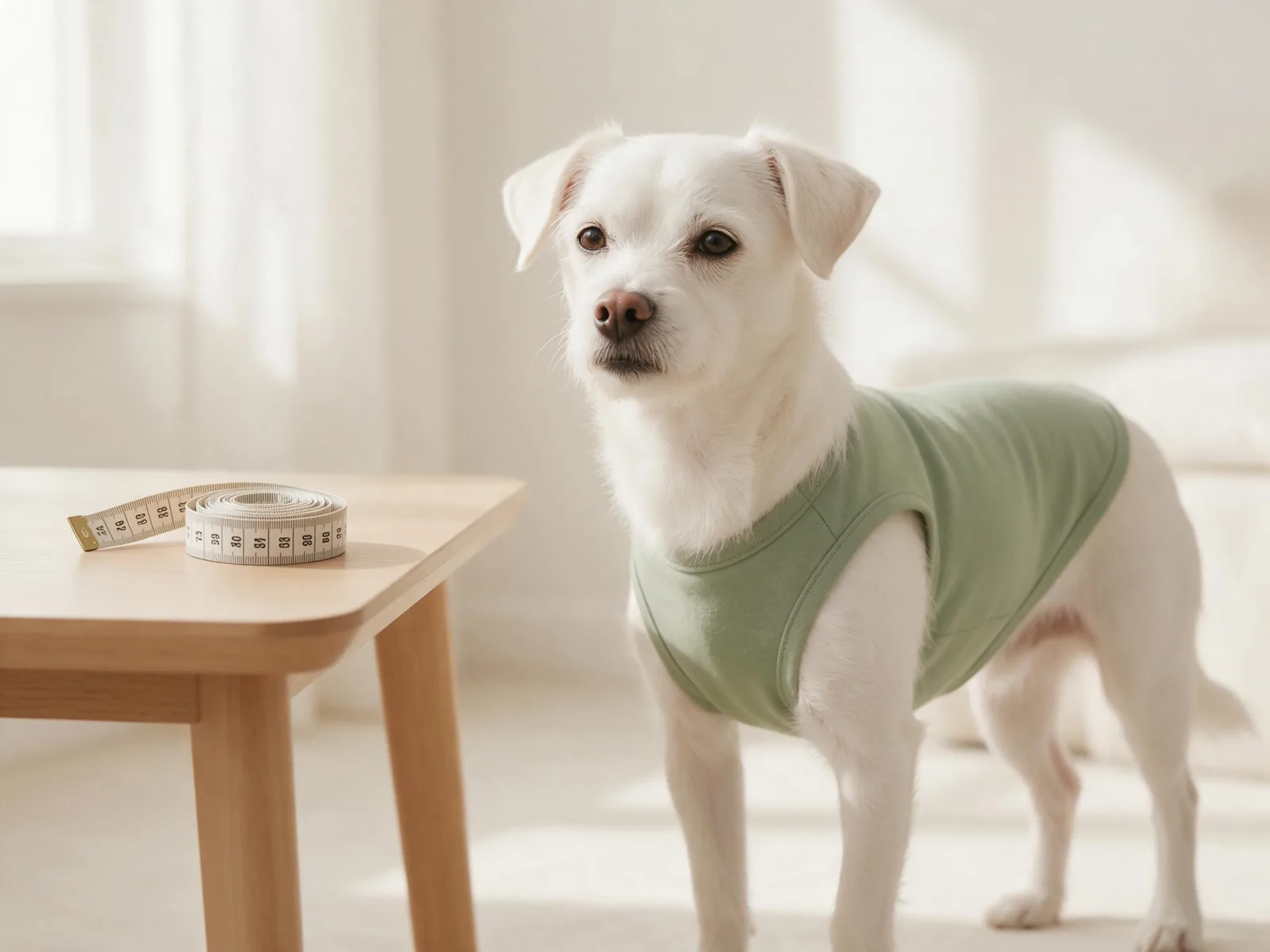
Consider how a garment fits over the dog's actual coat without compressing it excessively or creating friction around the neck and legs. Compare the dog's measurements with the specific product's size chart.
Check for tangles or irritated areas after supervised wear. Grooming, trimming and skin concerns depend on the individual coat and should be discussed with a qualified groomer or veterinarian.
Supervise clothing wear and remove the garment before a dog is crated or left unattended; loose clothing can catch. Introduce a garment gradually and stop if the dog is distressed, as explained by the American Kennel Club.
A practical checklist
Use these steps to prepare a specific decision.
- Identify whether a listing uses coat to mean fur or clothing.
- Record the dog's chest, neck and back measurements and note its natural coat thickness.
- Choose a garment for a defined weather condition, rather than assuming all dogs need a layer.
- Inspect openings, movement and signs of rubbing during supervised wear.
- Remove a garment that causes discomfort and seek individual veterinary advice when needed.
Questions buyers ask
Does a double coat mean a dog never needs clothing?
No. Natural coat type is one factor. Weather, age, health and the individual dog matter; ask a veterinarian when unsure.
Should a dog be shaved to fit a garment?
Do not assume that shaving is appropriate. Discuss grooming and skin concerns with a qualified groomer or veterinarian before changing the dog's coat.
Is fur type the same as a coat's clothing size?
No. Use the relevant garment's chart and the dog's neck, chest and back measurements.
Sources and further reading
These sources support the limited topics described below. Product claims and individual animal needs still require confirmation.
- American Kennel Club: double-coated dogs: Describes outer and undercoat layers, grooming considerations, and examples of breeds; an individual dog's condition still needs assessment.
- American Kennel Club: dog hair and fur: Discusses hair growth and outercoat/undercoat; does not establish whether a specific dog needs clothing.
- PDSA: dogs and winter coats: Vet guidance about individual cold-weather needs, movement, and measuring for a coat; not a universal temperature or breed rule.
- American Kennel Club: dog gear measurements: Covers neck, chest and back measurements and the need to consult the relevant product chart.
- American Kennel Club: clothing fit and supervision: Guidance on introducing clothing, proper fit, supervision and removing it before the dog is crated or left unattended; not proof of product safety or garment performance.